Selecting appropriate electrical personal protective equipment (PPE) is not merely a compliance checkbox; it is a critical safety decision directly impacting worker well-being and operational continuity. Electrical hazards, including arc flash, electric shock, and electrocution, demand specialized protective gear that meets stringent industry standards. The challenge lies in accurately assessing risk, understanding the technical specifications of various PPE categories, and making informed procurement choices that balance safety, comfort, and long-term value. This guide provides a detailed breakdown of electrical PPE types, essential specifications, and practical buying considerations to equip professionals with the knowledge needed for effective hazard mitigation.
Understanding Electrical PPE Categories
Electrical PPE encompasses a range of specialized items designed to protect against specific hazards. Each category addresses distinct risks, requiring careful selection based on the task and environment.
Arc Flash Protection
Arc flash PPE is engineered to protect against the intense heat, light, and pressure wave generated during an arc flash event. This category is defined by its Arc Thermal Performance Value (ATPV) or Energy Breakopen Threshold (EBT) ratings, which indicate the maximum incident energy (in cal/cm²) the material can withstand before a second-degree burn is likely. Key components include:
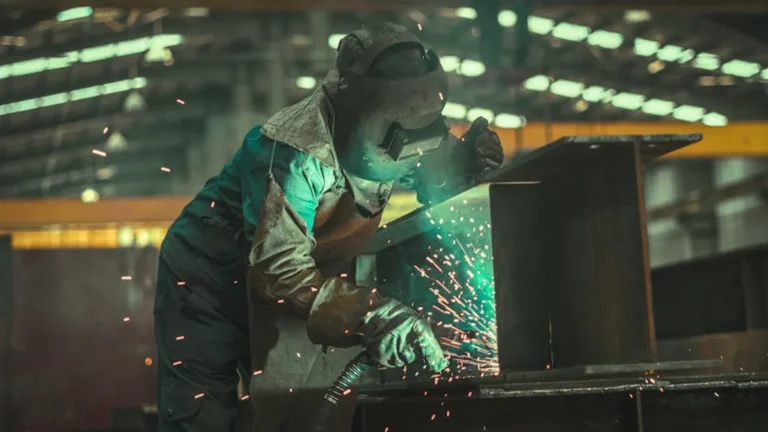
- Flame-Resistant (FR) Clothing: Shirts, pants, coveralls, and jackets made from materials like Nomex, Indura, or treated cotton. These materials do not ignite, melt, or drip, providing thermal insulation.
- Arc Flash Suits/Hoods: Full-body ensembles for higher incident energy levels, featuring a hood with a clear face shield, jacket, and pants. Hoods often include ventilation systems and anti-fog coatings.
- Arc-Rated Gloves: Leather protector gloves worn over rubber insulating gloves, or specialized arc-rated gloves, providing hand protection from thermal energy.
Shock Protection
Protection against electric shock primarily involves insulating materials that prevent current flow through the body. The effectiveness of shock protection PPE is directly tied to its voltage rating and material integrity.
- Insulating Rubber Gloves: Classified by voltage rating (e.g., Class 00 for 500V, Class 0 for 1,000V, Class 1 for 7,500V, up to Class 4 for 36,000V). These gloves are the primary defense against electrical shock to the hands. They must be regularly tested and inspected.
- Leather Protector Gloves: Worn over rubber insulating gloves to protect them from physical damage like cuts, abrasions, and punctures.
- Dielectric Footwear: Boots designed with non-conductive soles and heels, providing insulation from ground. They are tested to withstand specific voltage levels.
- Insulating Mats and Blankets: Used to cover energized equipment or provide an insulated working surface.
Head, Eye, and Face Protection
These components safeguard against mechanical impact, flying debris, and the intense light and heat of an arc flash.
- Hard Hats: Type I (top impact) and Type II (top and lateral impact) hard hats, typically Class E (Electrical) for protection against high-voltage conductors.
- Safety Glasses/Goggles: ANSI Z87.1 compliant, protecting against impact.
- Face Shields: Arc-rated face shields, often integrated into arc flash hoods or attached to hard hats, offer broader facial protection against thermal and optical hazards.
Other Essential PPE
Depending on the work environment and specific tasks, other PPE may be required:
- Hearing Protection: Earplugs or earmuffs to mitigate noise from electrical equipment or arc blast.
- Fall Protection: Harnesses, lanyards, and anchor points for work at height, particularly when near electrical infrastructure.
Key Standards and Ratings
Effective electrical PPE selection hinges on adherence to recognized industry standards. These standards define performance criteria, testing methods, and usage guidelines.
- NFPA 70E: The primary standard for electrical safety in the workplace. It outlines requirements for electrical safety programs, risk assessment, and the selection of appropriate PPE based on incident energy analysis or hazard risk categories.
- ASTM F1506: Standard performance specification for flame resistant and arc rated textile materials for wearing apparel for use by electrical workers exposed to momentary electric arc and related thermal hazards.
- ASTM F2178: Standard test method for determining the arc rating of face protective products.
- ASTM F2621: Standard practice for determining response characteristics and design requirements for an arc rated face protective product.
- ANSI Z87.1: Standard for occupational and educational personal eye and face protection devices.
- OSHA 29 CFR 1910 Subpart S / 1926 Subpart K: Federal regulations dictating electrical safety requirements in general industry and construction, respectively, including PPE mandates.
Pro Tip: Always verify that electrical PPE is labeled with the appropriate ASTM and NFPA compliance markings. Counterfeit or non-compliant gear offers a false sense of security and can lead to severe injury. Prioritize products from reputable manufacturers that provide verifiable certification data.
Selecting PPE for Specific Electrical Tasks
The selection process for electrical PPE must be systematic, starting with a comprehensive hazard assessment.
Risk Assessment and Incident Energy Analysis
Before any electrical work, a thorough risk assessment must be conducted to identify potential hazards and determine the incident energy exposure. For arc flash hazards, an incident energy analysis calculates the amount of energy released at a specific working distance. This value dictates the required ATPV/EBT rating of the arc-rated clothing and other PPE components.
For shock hazards, the maximum anticipated voltage must be identified to select correctly rated insulating gloves and other dielectric equipment.
Matching PPE to Hazard Levels
Once hazard levels are established, PPE can be matched:
- Low Voltage/Low Incident Energy: Often requires minimum arc-rated clothing (e.g., 8 cal/cm² ATPV) and Class 00 or Class 0 insulating gloves.
- Medium Voltage/Moderate Incident Energy: May necessitate higher ATPV ratings (e.g., 20-40 cal/cm²) and corresponding Class 1 or 2 insulating gloves, along with full arc flash suits.
- High Voltage/High Incident Energy: Demands the highest ATPV ratings (e.g., 40+ cal/cm²) and Class 3 or 4 insulating gloves, often requiring specialized work procedures and equipment.
Care and Maintenance Protocols
The effectiveness of electrical PPE is directly tied to its condition. Proper care and maintenance are non-negotiable for ensuring ongoing protection.
Pre-Use Inspection
Workers must inspect all PPE before each use. This includes checking insulating gloves for punctures, tears, or signs of degradation; examining FR clothing for rips, contamination, or compromised stitching; and verifying hard hats and face shields for cracks or damage. Any defective PPE must be immediately removed from service.
Cleaning and Storage
Arc-rated clothing requires specific laundering procedures to maintain its flame-resistant properties; harsh chemicals or improper drying can degrade performance. Insulating gloves should be cleaned according to manufacturer instructions and stored in protective bags or containers, away from direct sunlight, extreme temperatures, and sharp objects, to prevent damage and extend their lifespan.
Testing and Replacement
Insulating rubber gloves and sleeves have specific retesting requirements (e.g., every six months for in-service use, or annually if not in use, as per ASTM F496). Dielectric footwear and other components also have recommended inspection and replacement schedules. Adhering to these schedules, along with replacing any damaged or expired PPE, is crucial for maintaining safety.
Strategic Procurement Considerations
Purchasing electrical PPE extends beyond initial cost. Factors like supplier reliability, product specifications, and user acceptance influence long-term safety and compliance.
Supplier Credibility and Certifications
Choose suppliers with a proven track record in electrical safety equipment. Verify that they provide clear documentation of product compliance with relevant ASTM, NFPA, and ANSI standards. Requesting third-party testing reports can offer additional assurance.
Comfort, Fit, and Mobility
Ill-fitting or uncomfortable PPE can lead to reduced compliance and increased risk. Workers are less likely to consistently wear gear that restricts movement or causes discomfort. Prioritize PPE that offers ergonomic design, breathability, and a range of sizes to ensure proper fit and promote consistent use.
Cost Versus Lifecycle Value
While initial cost is a factor, consider the lifecycle value of PPE. Durable, high-quality gear that withstands repeated use and cleaning, while maintaining its protective properties, can be more cost-effective over time than cheaper alternatives requiring frequent replacement. Factor in maintenance, testing, and replacement costs when evaluating procurement options.
Ensuring Continuous Electrical Safety
Effective electrical PPE management is an ongoing process that integrates risk assessment, meticulous selection, consistent training, and diligent maintenance. It requires a commitment to understanding specific hazard levels, adhering to rigorous industry standards, and prioritizing the comfort and compliance of workers. By systematically addressing these elements, organizations can establish a robust electrical safety program that actively protects personnel from the severe consequences of electrical hazards, ensuring both regulatory compliance and a safer working environment.
Frequently Asked Questions
What is the difference between FR and arc-rated clothing?
FR (Flame Resistant) clothing is designed to resist ignition, self-extinguish when removed from a flame source, and not melt or drip. Arc-rated (AR) clothing is a type of FR clothing specifically tested and rated for its ability to protect against the thermal energy of an electric arc flash, measured by its ATPV or EBT value. All AR clothing is FR, but not all FR clothing is arc-rated.
How often should rubber insulating gloves be tested?
According to ASTM F496 and NFPA 70E, in-service rubber insulating gloves must be electrically tested every six months. If gloves are issued but not used, they must be tested at least annually. New gloves must be tested within 12 months of manufacture and before first use.
Can I layer non-FR clothing under arc-rated clothing?
No. Only natural fibers (like cotton, wool, or silk) or other arc-rated materials should be worn underneath arc-rated clothing. Synthetic materials like nylon, polyester, or rayon can melt onto the skin when exposed to high heat, even if covered by arc-rated outerwear, exacerbating burn injuries.