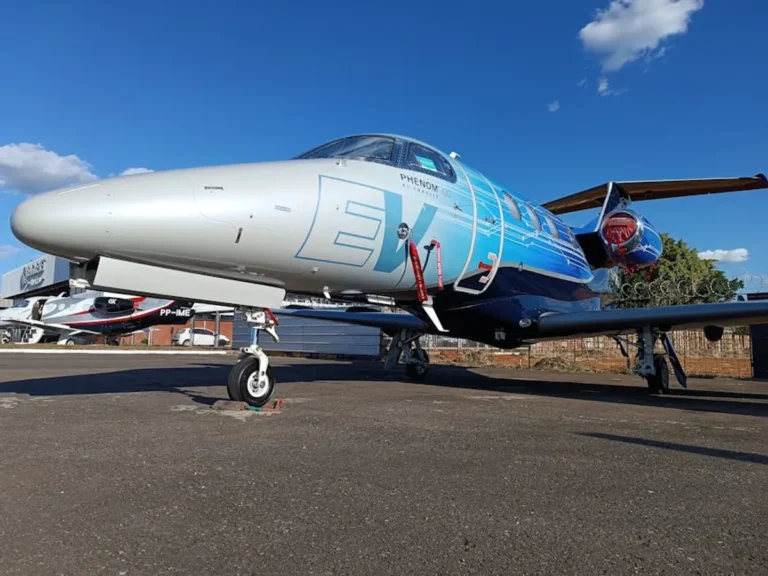

The liquidation of an airline, such as Royal Air Philippines, presents a unique and often complex opportunity for businesses and investors to acquire aviation assets. These events are not typical market transactions; they involve specific legal frameworks, valuation challenges, and a diverse range of assets from aircraft and spare parts to ground support equipment and intellectual property. For prospective buyers, understanding the intricacies of such a process is critical for identifying genuine value, mitigating risks, and ensuring a commercially sound acquisition. This guide outlines the essential considerations, processes, and strategic tips for navigating the Royal Air Philippines liquidation, designed to inform decisions from initial due diligence through to asset integration.
Understanding Royal Air Philippines Liquidation
An airline liquidation occurs when an airline ceases operations and its assets are sold off to satisfy creditors. This process is governed by specific legal procedures, often involving court-appointed liquidators who manage the sale of assets. For Royal Air Philippines, the liquidation signifies the availability of a broad spectrum of aviation-related assets that were once integral to its operations.
What Led to Liquidation?
Airlines face numerous challenges, including economic downturns, operational inefficiencies, intense competition, and unforeseen global events. While the specific triggers for Royal Air Philippines' liquidation are a matter of public record, the outcome is a structured sale of its holdings. This context is important not for historical analysis, but for understanding the potential condition and operational history of the assets being sold, which can influence their value and future utility.
Types of Assets Available
Liquidation sales typically encompass all tangible and intangible assets of the defunct entity. For an airline like Royal Air Philippines, this includes:
- Aircraft Fleet: Passenger and cargo aircraft, often in varying states of airworthiness, from full operational capacity to requiring significant maintenance or suitable only for parts harvesting.
- Spare Parts Inventory: A vast collection of components, engines, avionics, and rotables, some new-in-box (NIB), others serviceable (SV), or requiring overhaul (OH).
- Ground Support Equipment (GSE): Tugs, pushback tractors, cargo loaders, passenger stairs, and other airport operational machinery.
- Maintenance, Repair, and Overhaul (MRO) Tools: Specialized tools and equipment used in aircraft servicing.
- Office Equipment and Furnishings: Standard corporate assets from administrative functions.
- Intellectual Property: Brand names, operational manuals, route data, and proprietary software, though these are less common in general liquidation sales unless specifically packaged.
Key Considerations for Potential Buyers
Engaging in an airline liquidation requires a rigorous approach, distinct from purchasing assets through conventional channels. Buyers must account for legal, financial, and operational complexities.
Due Diligence Requirements
Thorough due diligence is paramount. This involves:
- Documentation Review: Scrutinizing maintenance records (ADs, SBs, life-limited parts status), airworthiness certificates, ownership titles, and any lien or encumbrance documentation.
- Physical Inspections: Arranging on-site inspections of aircraft, engines, and critical components by qualified aviation technical personnel. This includes bore scope inspections for engines and structural assessments for airframes.
- Legal Scrutiny: Verifying the clear title of assets, understanding the terms of sale, and identifying any outstanding liabilities that might transfer with the asset.
Valuation and Pricing Factors
Asset valuation in a liquidation is not straightforward. Factors influencing pricing include:
- Condition and Airworthiness: The most significant factor for aircraft and major components. A ready-to-fly aircraft commands a premium over one requiring heavy maintenance.
- Market Demand: Current demand for specific aircraft types, engine models, or spare parts. Older, less efficient models may have lower demand unless priced for parts.
- Historical Data: Previous sales of similar assets in liquidation or distressed sales.
- Liquidation Urgency: The liquidator's need to dispose of assets quickly can sometimes lead to more favorable pricing.
Legal and Regulatory Framework
Acquisitions from Royal Air Philippines liquidation will be governed by Philippine commercial and aviation laws. Buyers must understand:
- Jurisdiction: The legal framework under which the liquidation is proceeding.
- Transfer of Ownership: Specific procedures for legally transferring title, especially for registered aircraft.
- Export Regulations: If assets are to be moved out of the Philippines, adherence to export controls and customs regulations is necessary.
Navigating the Buying Process
The acquisition process in a liquidation can differ significantly from standard commercial purchases, often involving auctions or sealed bid processes.
How Liquidation Sales Work
Liquidation sales typically proceed via:
- Public Auction: Assets are sold to the highest bidder, either online or in person. Terms are usually "as-is, where-is."
- Negotiated Sale: For larger, more complex assets like entire aircraft, a liquidator might engage in direct negotiations with interested parties, often after an initial bidding round.
- Sealed Bid Process: Buyers submit confidential bids by a deadline, with the highest or most advantageous bid chosen.
Essential Documentation for Acquisition
Beyond the initial due diligence, buyers must prepare for the transactional paperwork:
- Bill of Sale: Legal document transferring ownership.
- Export Certificates: If applicable, for assets leaving the country.
- De-registration Papers: For aircraft, removal from the Philippine aircraft registry is essential before re-registration elsewhere.
- Customs Declarations: For import into the buyer's jurisdiction.
Pro Tip: Always factor in a contingency budget of 15-20% above your acquisition price. Liquidation assets, especially aircraft, frequently come with unforeseen maintenance requirements, logistical challenges, or legal complexities that can significantly increase the total cost of ownership beyond the initial purchase price.
Specific Asset Categories and Their Uses
Understanding the potential applications for different asset types helps in strategic bidding.
Aircraft Acquisition
Best for: Airlines looking to expand fleet capacity, cargo operators seeking conversion candidates, or leasing companies.
Acquiring an aircraft from liquidation can offer a lower entry cost than new or used market purchases. However, the condition dictates its immediate utility. Some aircraft may be viable for immediate passenger or cargo operations after standard checks, while others are prime candidates for freighter conversion or disassembly for valuable spare parts.
Spare Parts and Inventory
Best for: MRO facilities, other airlines, or parts brokers.
The inventory of spare parts can be a goldmine for entities involved in aviation maintenance or parts distribution. The value is tied directly to the part's condition (new, serviceable, or repairable) and its applicability to currently operating aircraft types. Bulk purchases can yield significant cost savings compared to individual part procurement.
Ground Support Equipment (GSE)
Best for: Fixed-base operators (FBOs), airport service providers, or other airlines.
GSE includes a wide array of vehicles and machinery essential for airport operations. These assets are generally less complex than aircraft but still require inspection for operational integrity and maintenance history. Acquisition can significantly reduce operational overhead for ground handling services.
Maximizing Your Investment: Buying Tips
Strategic preparation and expert consultation are key to successful liquidation asset acquisition.
Research Market Value Thoroughly
Before bidding, establish a clear understanding of the fair market value for assets in similar condition. Utilize industry databases, consult with appraisers, and analyze recent sales data to avoid overpaying or missing a genuinely undervalued opportunity.
Engage Legal and Aviation Experts
Retain legal counsel experienced in international aviation law and liquidation processes. Their expertise is crucial for navigating contractual terms, title transfers, and regulatory compliance. Similarly, involve aviation technical consultants for detailed asset inspections and airworthiness assessments.
Plan for Logistics and Post-Acquisition Costs
Factor in the costs and complexities of asset relocation, shipping, customs duties, storage, and any immediate maintenance or certification required. For aircraft, this includes ferry permits, fuel, and crew for repositioning flights, or dismantling and transport costs if not airworthy.
Strategic Acquisition in Liquidation
Participating in the Royal Air Philippines liquidation demands a blend of careful planning, robust due diligence, and strategic execution. The commercial advantage lies in acquiring assets at a price point that supports your operational or investment goals, whether that means expanding an existing fleet, bolstering a parts inventory, or capitalizing on ground support infrastructure. Success hinges on a clear understanding of the assets' true condition and value, coupled with an expert navigation of the legal and logistical landscape. Approaching this process with a well-defined strategy and a team of specialists will position buyers to extract maximum value from the available opportunities.
Frequently Asked Questions
What does "as-is, where-is" mean in a liquidation sale?
"As-is, where-is" means the buyer accepts the asset in its current condition and location, without any warranties or guarantees from the seller. The buyer is responsible for all costs and risks associated with moving the asset and any subsequent repairs or certifications.
Can I inspect the assets before making an offer?
Yes, liquidators typically arrange specific viewing periods or by-appointment inspections for serious potential buyers. Thorough physical and documentation inspections by qualified personnel are highly recommended and often critical for informed bidding.
How long does the liquidation process usually take?
The timeline for an airline liquidation can vary significantly, often spanning several months to over a year, depending on the number and complexity of assets, legal challenges, and market conditions. Assets may be sold in phases rather than all at once.
Are there financing options available for liquidation purchases?
While standard commercial financing might be more challenging for liquidation assets due to their "as-is" nature, specialized aviation finance companies or asset-backed lenders may offer solutions. Buyers often need to secure their own financing or have cash reserves available.