
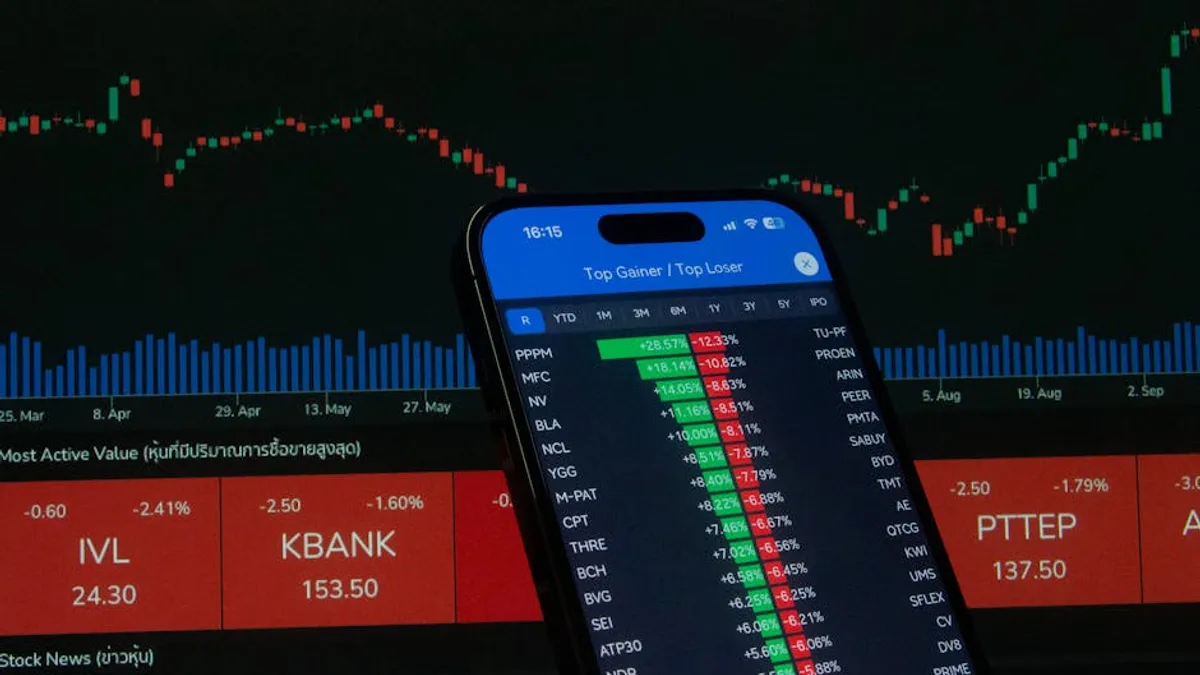
Navigating the Indian stock market daily requires a systematic approach to identify opportunities and manage risk. Today’s market is influenced by a confluence of global economic shifts, domestic policy announcements, and company-specific developments. For investors and traders, the task is not merely to react to headlines but to proactively identify which shares are poised for significant movement or represent compelling value based on current news flow. This overview outlines the critical factors shaping the Indian market and provides a framework for pinpointing key shares that warrant close attention in today's trading session.
Current Market Dynamics in India
The Indian equity market operates within a complex ecosystem, where both domestic and international forces exert influence. Understanding these overarching dynamics is crucial before delving into individual stock analysis. Global liquidity trends, commodity price fluctuations, and geopolitical events can dictate investor sentiment, often leading to broad market movements that affect even fundamentally strong companies.
Macroeconomic Indicators Impacting Sentiment
Several macroeconomic indicators provide a pulse check on the Indian economy, directly influencing investor confidence and, by extension, stock valuations. These include inflation rates, industrial production data, and the Reserve Bank of India’s monetary policy decisions. For instance, a higher-than-expected inflation print might signal potential interest rate hikes, which can dampen corporate borrowing and consumer spending, impacting sectors sensitive to credit. Conversely, robust manufacturing data could indicate economic expansion, often bolstering industrial and infrastructure-related stocks.
Key indicators to monitor:
- Inflation Data (CPI, WPI): Directly impacts purchasing power and corporate margins.
- Industrial Production Index (IIP): Reflects manufacturing sector health and economic growth.
- PMI (Purchasing Managers' Index) Data: Offers a forward-looking view on manufacturing and services activity.
- Trade Deficit/Surplus: Influences currency stability and foreign exchange reserves.
- Fiscal Deficit: Indicates government borrowing needs, potentially impacting bond yields and liquidity.
Sectoral Performance Trends
Different sectors of the Indian economy respond distinctly to prevailing market conditions and news. For example, the IT sector often benefits from a depreciating Rupee and strong global tech demand, while banking stocks are highly sensitive to interest rate changes and asset quality concerns. Infrastructure companies gain from government spending initiatives, and pharmaceutical firms react to regulatory changes and new drug approvals. Identifying sectors currently experiencing tailwinds or headwinds due to recent news or policy shifts helps narrow down the universe of potential key shares.
Identifying Key Shares for Today's Watchlist
Pinpointing specific shares that are "key to watch" on any given day involves a blend of fundamental understanding and immediate news analysis. It’s about recognizing which companies are at the nexus of significant events or trends that could trigger price action.
Criteria for Selection
A structured approach to selecting shares for a daily watchlist involves considering several factors:
- News Catalysts: Companies with recent, impactful news such as major contract wins, regulatory approvals, product launches, or M&A announcements often see increased trading volume and price volatility.
- Earnings Reports and Guidance: Post-earnings announcements, especially those that surprise the market (either positively or negatively), can lead to significant price adjustments. Future guidance provided by management is equally critical.
- Sector-Specific Developments: If a particular sector is in focus due to government policy, technological breakthroughs, or global trends, companies within that sector are likely to be active.
- Technical Breakouts/Breakdowns: Shares exhibiting strong price movements that cross significant technical levels (e.g., 52-week highs/lows, major support/resistance) often attract attention from short-term traders.
- Volume Spikes: Unusually high trading volumes, especially when accompanied by price changes, can indicate institutional interest or significant news flow.
Specific Sectors with Recent Activity
While specific stock recommendations are beyond the scope, certain sectors frequently generate news that puts their constituents on the watch list. For instance, the financial services sector, including banks and NBFCs, is always active due to interest rate changes, credit growth, and asset quality updates. The technology sector, particularly IT services, responds to global deal flows and currency movements. Manufacturing and capital goods companies are sensitive to infrastructure spending and industrial policy. Renewable energy and electric vehicle (EV) related firms often react to government incentives and technological advancements.
Pro Tip: Always verify news from multiple credible sources before making investment decisions, as market rumors can lead to short-term volatility without fundamental backing. Cross-referencing company filings, reputable financial news outlets, and analyst reports provides a more complete picture.
Analyzing News Catalysts and Their Impact
The immediate impact of news on stock prices can be substantial. Differentiating between transient noise and fundamental shifts is crucial for informed decision-making.
Regulatory Changes and Policy Announcements
Government policies and regulatory decisions can create significant shifts in industry landscapes. For example, changes in taxation for specific industries, new environmental regulations, or reforms in a sector like telecom or energy can profoundly affect the profitability and competitive positioning of companies. Companies that are well-aligned with new policies or can adapt quickly may see positive re-ratings, while others might face headwinds.
Corporate Earnings and Guidance
Quarterly and annual earnings reports are pivotal events. Beyond the headline profit and revenue figures, investors scrutinize management commentary on future outlook, order books, and expansion plans. A company exceeding earnings expectations but providing conservative future guidance might still see its stock fall, indicating the market's forward-looking nature. Conversely, a loss-making company with a clear path to profitability and strong guidance can attract significant buying interest.
Risk Management Considerations
Even with thorough analysis, the stock market carries inherent risks. A robust risk management framework is essential for protecting capital.
Volatility and Market Corrections
The Indian market, like many emerging markets, can experience periods of heightened volatility. Factors such as global economic slowdowns, foreign institutional investor (FII) outflows, or domestic political uncertainty can trigger broad market corrections. Understanding the broader market trend and individual stock volatility helps in setting realistic expectations and managing position sizes.
Diversification Principles
Concentrating capital in a few "key shares," even if they appear promising, increases specific risk. Diversifying across different sectors, market capitalizations, and asset classes helps mitigate the impact of adverse events affecting a single company or industry. While today's focus is on identifying individual shares, these should ideally fit into a broader, diversified portfolio strategy.
Actionable Insights for Today's Investor
For today's market participants, the process of identifying key shares is continuous. It requires a blend of real-time information processing and a foundational understanding of market mechanics. Start each day by reviewing global market cues, then domestic economic calendars, and finally, company-specific news releases. Focus on companies where news creates a clear, quantifiable impact on their business fundamentals or where technical patterns indicate strong momentum or reversal potential. Always consider your personal risk tolerance and investment horizon when interpreting market signals.
Frequently Asked Questions
How does global news impact the Indian stock market?
Global events, such as changes in commodity prices, interest rate decisions by major central banks (like the US Federal Reserve), or geopolitical tensions, can influence foreign institutional investor flows into and out of India, affecting overall market sentiment and currency stability.
What are common indicators to watch for identifying active shares?
Look for shares with unusual trading volume, significant price gaps at market open, companies releasing earnings or major corporate announcements, and those reacting to sector-specific regulatory news or policy changes.
How often should I review my stock watchlist?
A daily review is essential for active traders, focusing on pre-market news and intra-day developments. Long-term investors might review weekly or quarterly, aligning with earnings cycles and broader economic updates, but still benefit from daily awareness of significant market movers.